Space Force offered SpaceX three contracts; company said no
The aerospace firm declined military work while a Spanish rocket maker approaches its first flight and a Canadian startup seeks new funding.
By Jacob Leary ·
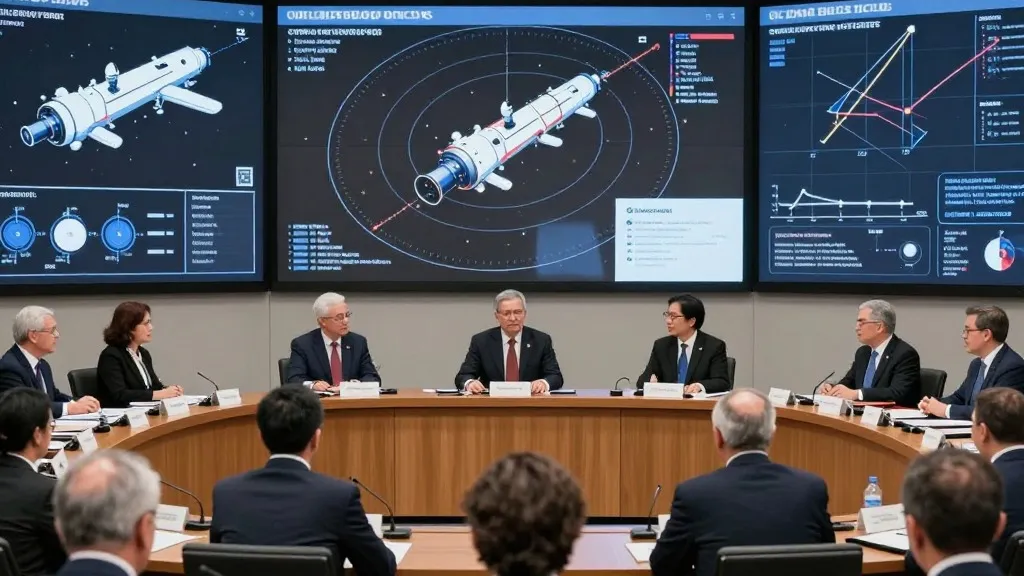
SpaceX has formally declined three launch contracts offered by the United States Space Force. The company communicated its decision to the military branch earlier this week, effectively turning down the opportunity to handle these specific government missions. This move marks a distinct shift in the firm's recent engagement with defense procurement, as it chooses to focus its resources elsewhere rather than expanding its commercial portfolio in the military sector.
The rejection of these specific deals comes amid a broader set of updates regarding the company's civil space operations. A NASA safety panel recently reviewed the requirements for the company's Starship vehicle, noting that up to 22 on-orbit refueling events may be necessary to support a lunar landing. This technical assessment highlights the complexity of the infrastructure required to enable crewed missions to the Moon, placing significant emphasis on the logistics of propellant transfer in orbit.
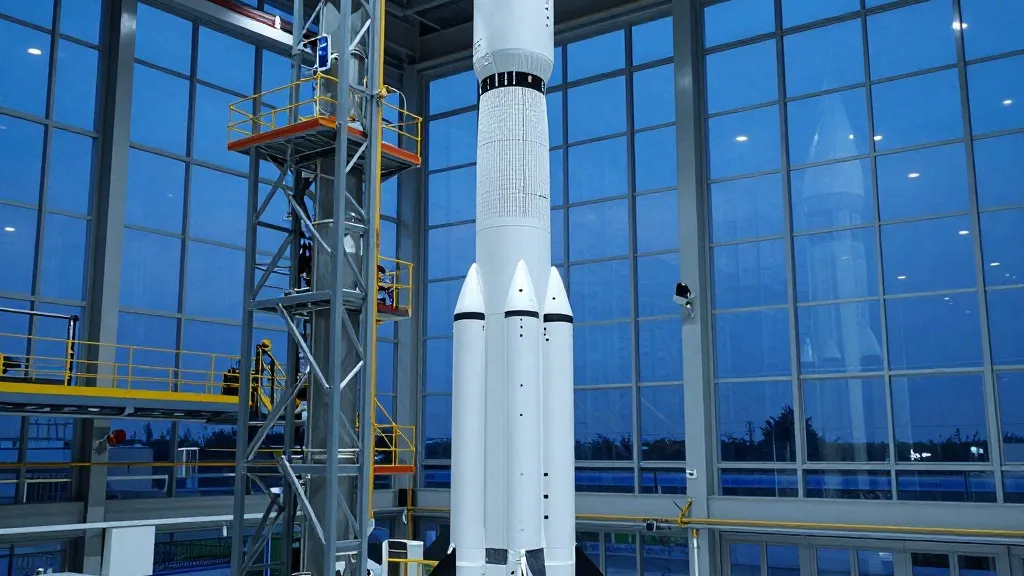
In parallel with the developments in the United States, PLD Space has announced that its Miura 5 rocket is nearing the final stages of integration. The Spanish company, which is preparing for the inaugural launch of this small-lift vehicle, expects the first flight to occur before the midpoint of 2027. The company has already manufactured three units of the Miura 5, with two designated for qualifying key system elements and one prepared for the actual launch campaign.
Raúl Torres, the chief executive officer of PLD Space, stated that the production of these three vehicles has allowed engineering teams to work continuously across various production and integration phases. According to Torres, lessons learned from each qualification campaign have been directly applied to the final launch vehicle. This iterative process is designed to ensure that the system is thoroughly tested before its maiden voyage.
Specific progress has been made on the second stage of the rocket, which is now fully integrated. This stage is currently located at the company's test facility in Teruel, Spain, where it is undergoing a qualification campaign. The testing includes a wet dress rehearsal and a static hot-fire test, both conducted under conditions that represent the operational environment the rocket will experience during flight.
Meanwhile, in Canada, Reaction Dynamics is seeking to raise $350 million in new funding. The startup, which is one of three prominent launch companies in the region, aims to use the capital to expand its workforce significantly. The company currently employs 68 people and plans to grow that number to more than 350, a substantial increase intended to support its ongoing development efforts.
The funds are expected to support the development of the company's small-lift Aurora rocket, which is targeted to reach orbit in 2028. In addition to this near-term goal, Reaction Dynamics has also outlined plans for a medium-lift rocket named Borealis. The company hopes to debut the Borealis vehicle by 2031, indicating a long-term roadmap for expanding its capabilities in the launch market.
These simultaneous developments illustrate the current state of the global launch industry, with established players making strategic decisions about their customer base while newer entrants push forward with their initial flight campaigns. The week's events highlight both the maturity of major commercial providers and the continued growth of emerging competitors in Europe and North America.
Source: Ars Technica