Tesla Claims 1.74 Million FSD Subscribers Through Aggressive Accounting
The automator's latest shareholder report counts upfront buyers as monthly subscribers, a method that directly supports the CEO's performance-based compensation targets.
By Ivan Petrov ·
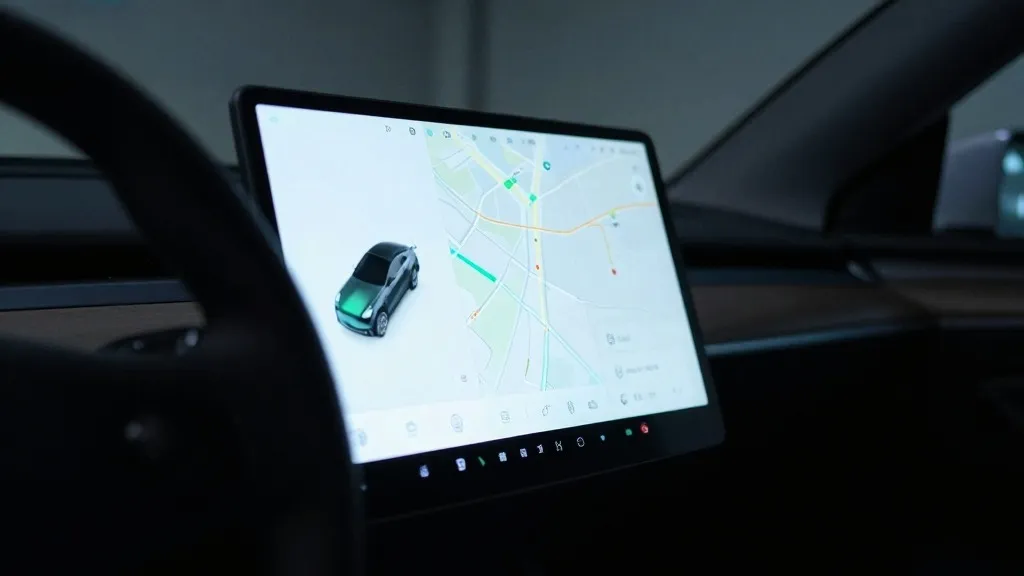
Tesla reported 1.74 million active Full Self-Driving subscriptions as of the third quarter of 2026, a 67% increase from the same period last year. This headline figure has become the primary metric for evaluating the company's software momentum, yet the calculation method relies on a definition crafted specifically to align with the CEO's 2025 performance award. By including vehicles that were purchased with a one-time fee years ago, the total presents a broader picture of software adoption than the number of people actually paying a monthly fee would suggest.
A footnote in the Q3 2026 shareholder letter clarifies that the metric follows the parameters of the 2025 CEO Performance Award. It explicitly includes both upfront payment owners and monthly subscribers. This accounting choice is significant because reaching 10 million active FSD subscriptions is one of the operational milestones Elon Musk must achieve to earn a portion of his compensation package. The definition allows the company to count every vehicle with the software installed, provided it is active, rather than just those generating recurring revenue.
The shift in counting methods coincides with a change in sales strategy. Tesla stopped selling FSD as a one-time purchase on February 14, 2026. Since that date, new customers in the U.S. have only been able to access the feature as a $99-per-month subscription. However, the roughly 1.74 million active units include those who paid up to $15,000 upfront before the cutoff. These legacy owners remain in the count for as long as their vehicles are active. The only category excluded from the total is free trials.
Despite the growth, Tesla has not disclosed how many of the 1.74 million units represent actual monthly payers. In April, when the company reported 1.28 million subscriptions, analysts noted the ambiguity in the definition. Six months later, the gap remains unaddressed in public filings. The same accounting approach appears in other reported figures. For instance, Tesla’s cumulative delivery count now stands at 10.2 million, a number that includes unsupervised robotaxis placed into commercial operation, again matching the criteria for the pay package’s 20 million vehicle milestone.
The company also highlighted a 75% attach rate for FSD subscriptions on new North American deliveries in the third quarter. This represents a nearly 20 percentage point increase from the previous quarter. Tesla asserts that the feature is driving demand in markets where it is available. However, the letter does not define exactly how this rate is calculated. It is unclear whether the figure counts subscriptions initiated at delivery with introductory offers or tracks retention over time. Unlike the active subscription metric, the attach rate does not explicitly state that free trials are excluded.
Musk’s 2025 compensation package consists of 12 tranches, each requiring both a market cap milestone and an operational achievement. The operational targets include 20 million vehicles delivered, 10 million active FSD subscriptions, 1 million Optimus robots, 1 million robotaxis in commercial operation, and specific adjusted EBITDA goals. As of June 30, Tesla considered only the 20 million delivery target to be probable. The other milestones, including the 10 million FSD subscription goal, remain uncertain.
Tesla added 260,000 net FSD subscriptions in the third quarter, marking its strongest quarterly gain to date. At this current pace, the company would require approximately eight years to reach the 10 million threshold. If the growth rate slows to the average of the last 12 months, which was about 700,000 per year, the timeline would extend to nearly 12 years. The compensation award remains valid until 2035, providing a long window for these targets to be met.
The definition of a subscription has become central to how investors view Tesla’s software business. By counting upfront buyers, the company presents a larger user base than the recurring revenue model alone would show. This approach favors the compensation structure over a stricter view of monthly recurring revenue. The board approved this definition, and it now dictates how the company reports its most significant software metric.
The 75% attach rate is a particularly strong claim if it reflects genuine demand. A high take rate on a $99-per-month product would signal a robust business model. However, without clarity on retention or the exclusion of short-term trials, the figure remains difficult to verify. The company knows the exact number of monthly payers but has not released that data. For now, the 1.74 million figure stands as the official count, blending legacy owners with new subscribers in a single metric designed to track progress toward executive compensation goals.
This accounting method does not misrepresent the software’s presence in the vehicle fleet. Those cars do have the FSD capability. The distinction lies in the labeling. Calling upfront owners "subscribers" and using the total to demonstrate momentum may overstate the strength of the recurring revenue stream. As Tesla moves forward with its autonomous driving plans, the clarity of these metrics will be crucial for understanding the true financial health of its software division.
Source: Electrek