Cybercab sales start this year
Tesla plans to begin delivering its autonomous robotaxi to private owners before the end of 2026, starting with a limited number of units.
By Zanele Khumalo ·
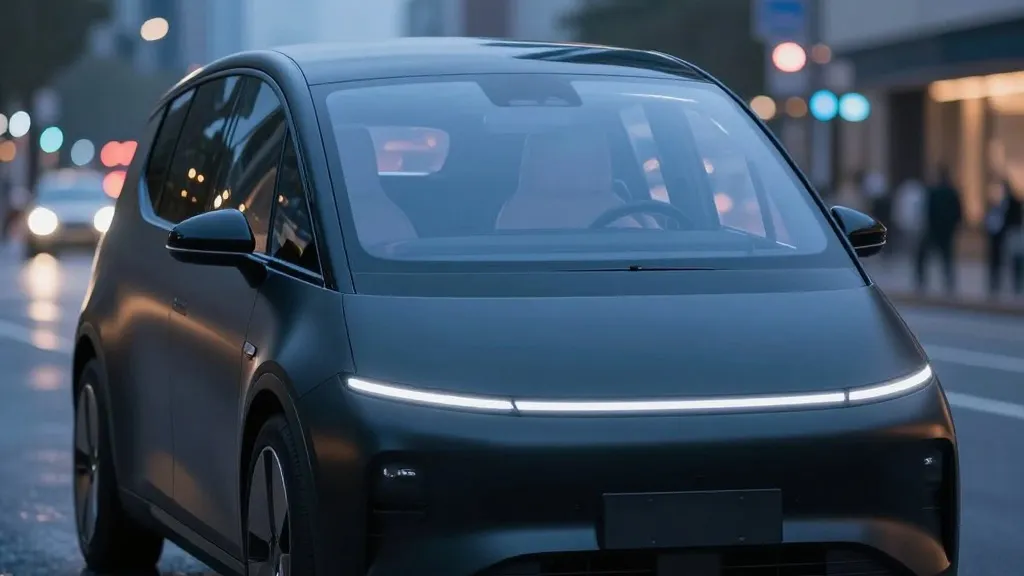
Tesla has confirmed that customers can finally buy the Cybercab by the end of 2026. This specific timeline puts an end to months of guessing about when the company would move the two-seater vehicle from its internal fleet to the public market. The announcement came during the third-quarter earnings call held on October 21, providing a concrete target for private ownership of the autonomous vehicle.
Lars Moravy, the Vice President of Engineering, stated that the company is aiming to get these vehicles into hands of customers before the year concludes. He noted that production is actively taking place on the assembly line at Gigafactory Texas. However, he clarified that every unit currently coming off that line is going directly to Tesla’s own internal Robotaxi fleet rather than to individual buyers.
The path to private ownership is intentional and cautious. Moravy explained that as operations scale, Tesla will mainly deliver fully designed autonomous vehicles to its customer base. The Cybercab will be the first vehicle to follow this model. Initial deliveries will be small in volume, allowing the company to build experience in delivery logistics, ownership models, and fleet management while operating outside of its direct control.
This approach reflects a shift in how the company views the product. Elon Musk reinforced the idea that the Cybercab is not just a car for a driveway. He described it primarily as a transport-as-a-service offering. According to Musk, the vast majority of Cybercabs will remain Tesla-owned and used for rides rather than being sold as personal vehicles like the Model 3 or Model Y.
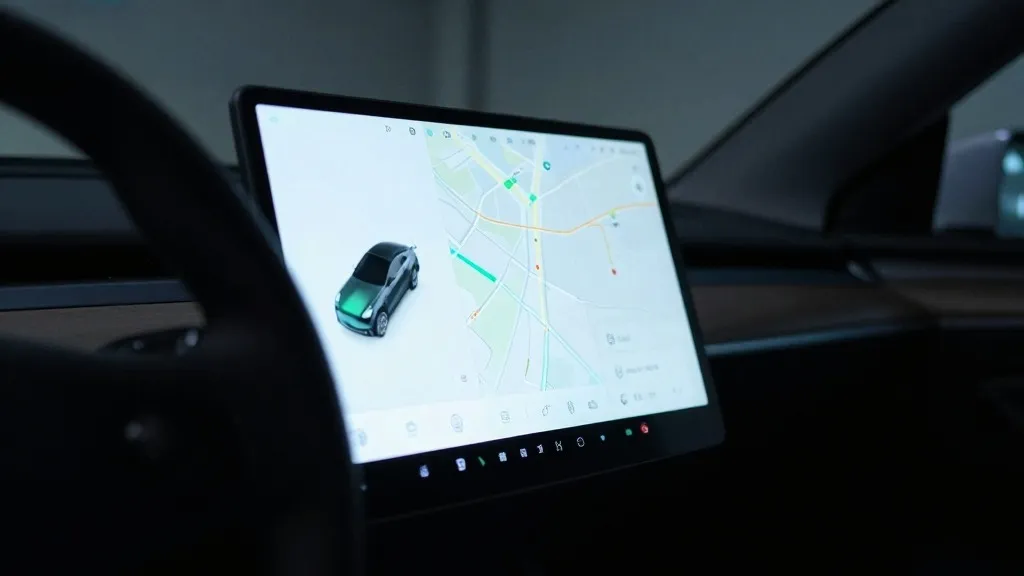
The vehicle itself is unique in the current market. It is a two-seater design that lacks a steering wheel and pedals entirely. It relies completely on Tesla’s Full Self-Driving suite to operate. Production of the Cybercab began in February of this year, and early units have already entered service. As of early September, when the company launched rides to the public, these vehicles were actively supporting the Robotaxi network.
Pricing has been a topic of interest for potential buyers. Tesla previously indicated that it would aim to sell the Cybercab for approximately $30,000. This price point positions the vehicle as an affordable option for autonomous transport, though the limited initial sales suggest that availability will be tight for now.
There are still technical and regulatory hurdles to clear before widespread adoption. Ashok Elluswamy, Tesla’s Head of AI, indicated during the call that unsupervised Full Self-Driving is expected to ship to consumer cars during the second quarter of 2027. Until then, early buyers or fleet operators may receive vehicles with geographically restricted autonomous operation. These restrictions are largely due to lagging regulatory agencies that are still catching up to the technology.
For now, the focus remains on the immediate goal of year-end deliveries. The company is balancing the expansion of its internal fleet with the careful introduction of private sales. As the technology matures and regulations adjust, the Cybercab is set to transition from a corporate asset to a consumer product, marking a new chapter for autonomous driving in the market.
Source: Teslarati