Meta uses Google TPUs for AI workloads
Meta now uses Google’s tensor processing units to run AI workloads in production.
By Ananya Gupta ·
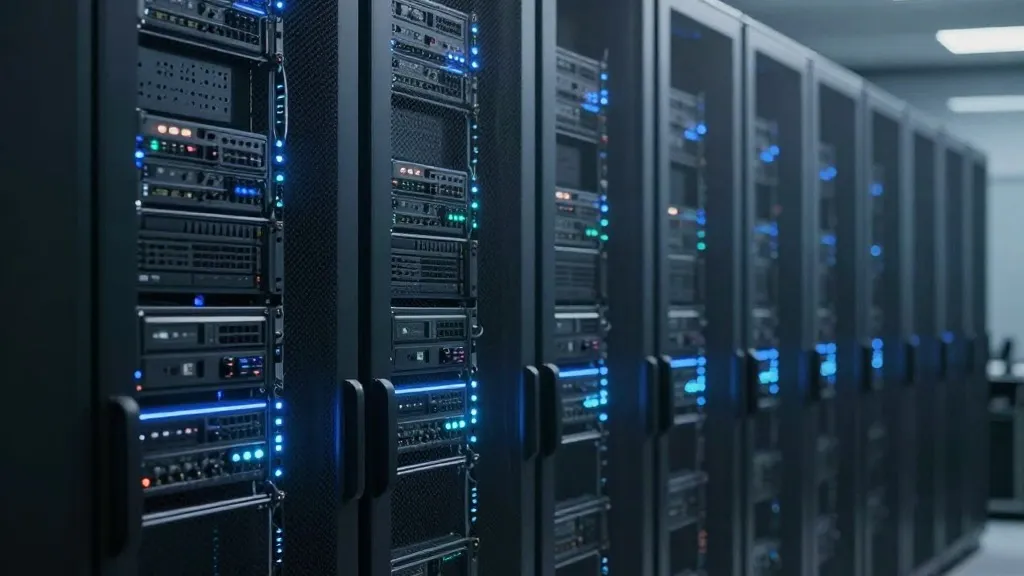
Meta now uses Google’s tensor processing units (TPUs) to run AI workloads in production, as revealed by a new PyTorch-native version of the SGLang inference engine. This change was announced on Google’s developer blog, along with a matching version of vLLM, another widely used inference engine, which was also made open source. The new versions allow the hardware to be a native option for PyTorch, mostly without rewriting.
SGLang-TorchTPU is running in production at Meta today, according to Zongwei Zhou, who is Meta’s PyTorch-TPU lead at RadixArk. He said that this collaboration between Meta, Google, and the SGLang team has resulted in a remarkably mature, PyTorch-native serving stack. Meta’s PyTorch engineering director, Jana van Greunen, also highlighted that Meta cannot be constrained by a single hardware architecture and that TorchTPU enables them to deploy their PyTorch workloads to Google TPUs. Google said it co-developed TorchTPU with Meta’s PyTorch team.
Although it is unclear where Meta’s production TPUs sit, talks last year reportedly included Google Cloud TPU rentals in 2026 with purchases in 2027, and Meta later reportedly signed a multi-year rental agreement. The announcement came one day after Amazon said it was open-sourcing TorchNeuron, its own native PyTorch backend for its Trainium2 and Trainium3 chips, at the same PyTorch Conference. Both moves appear to be aimed at loosening Nvidia’s software lock-in.
On performance, a tuned vLLM setup serving Moonshot AI’s open-weight, 2.8-trillion-parameter Kimi K3 model reportedly tops 700 tokens per second for a single user on the seventh-generation Ironwood TPU. That speed figure comes from Inferact, the startup founded by vLLM’s creators that helped Google build vLLM-TorchTPU. Its test ran 16 Ironwood chips with speculative decoding, a method of speeding up large language model inference with a small draft model, against vLLM’s published setup on 16 Nvidia GB200s, which reached 452 tokens per second. Its kernels for Kimi K3 and Qwen 3.8 27B deliver roughly 1.4 to 2 times the GB200 baseline’s throughput at small batch sizes without speculative decoding.
SGLang-TorchTPU will keep adding models, starting with DeepSeek V4.1 Flash and Reflection Beam. It's also working toward Day 0 TPU support for new open models, meaning support on release day, by the first quarter of 2027, according to RadixArk. Google, Meta and RadixArk plan to share more at SGLang Summit 2026, Nov. 12-13 in San Francisco.
Get Tom's Hardware's best news and in-depth reviews, straight to your inbox. Follow Tom’s Hardware on Google News, or add us as a preferred source, to get our latest news, analysis, & reviews in your feeds.
Source: Tom's Hardware