NASA Reveals 22 Launches Needed for Lunar Mission
A safety panel estimate suggests the Artemis program may require far more Starship flights than previously hoped to reach the Moon.
By Ahmed Mansour ·
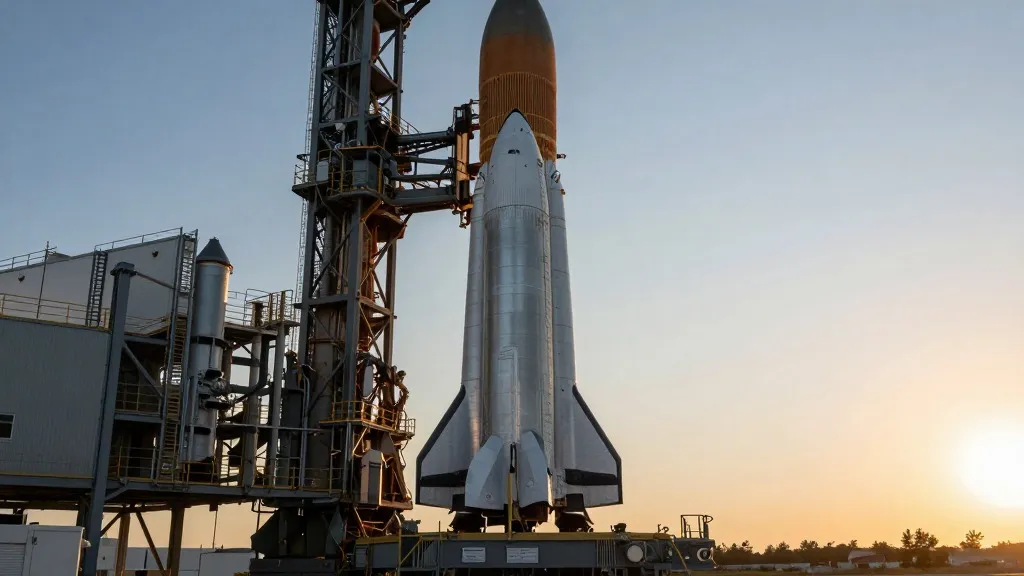
The number 22 has emerged as the latest benchmark for a critical component of NASA’s lunar ambitions. This figure represents the estimated number of Starship launches required to assemble a fully fueled lunar lander in low-Earth orbit. The agency has historically guarded this specific metric with unusual secrecy, treating it almost like a state secret. This opacity has persisted for years, leaving observers and stakeholders without a clear baseline for planning or expectation.
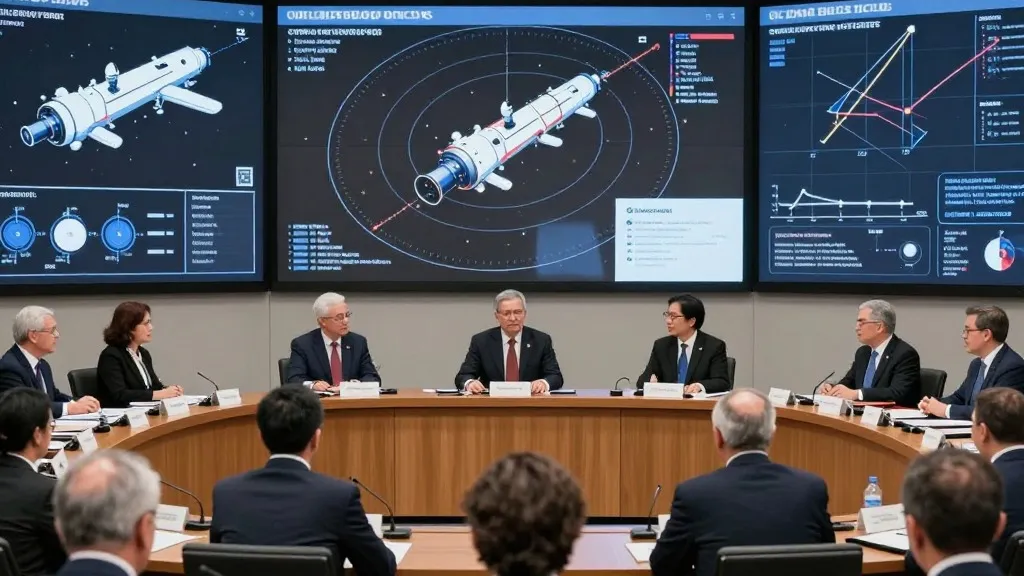
The estimate was discussed during the quarterly meeting of the NASA Aerospace Safety Advisory Panel, which took place earlier this week. Panel member Charlie Precourt, a former NASA astronaut, raised the figure while outlining risks associated with the Artemis Program. The panel’s focus was on the logistical challenges of landing humans on the Moon and ensuring their safe return. The revelation marks a shift from the agency's previous reluctance to share specific numbers with the public or even its own oversight boards.
In the past, NASA officials have often deflected questions about the exact launch count. The standard response has been that the number is not yet fixed, so the agency prefers not to commit to a figure. In 2023, Lisa Watson-Morgan, who served as the director of NASA’s Human Landing System, told reporters that the agency had a general idea but was hesitant to state it precisely. She later indicated the number fell within the range of high single digits to low double digits, which implied approximately a dozen launches.
That previous estimate of roughly twelve flights suggested a specific operational model. Under that scenario, SpaceX would need to launch one depot Starship to serve as the fueling station. Following that, eleven additional tanker Starships would be required to deliver liquid oxygen and methane propellant to the depot. This process would fully load the lander for its voyage to the Moon. While twelve flights is a significant operational burden, it was considered a manageable target for the agency's timeline.
Other NASA officials have previously cited higher estimates, suggesting the number could reach the high teens. These varying figures reflected uncertainty about the vehicle's performance and the efficiency of the fueling process. The consistent hope among program managers was that SpaceX would significantly improve the lift capacity of the Starship rocket. Such improvements would allow each flight to carry more propellant, thereby reducing the total number of tanker flights needed to complete the mission.
However, concerns are now growing among some NASA officials that these performance improvements may not arrive in time. There is a fear that the Starship rocket might not achieve the necessary capacity increases soon enough to play a meaningful role in this decade’s goals. This timing issue creates tension within the program, as the agency aims to return humans to the lunar surface within the current ten-year period. The new estimate of 22 launches underscores the magnitude of the logistical challenge ahead.
The jump from the previously discussed dozen or so flights to 22 indicates a substantial increase in the operational burden. This number likely accounts for current performance metrics rather than anticipated future upgrades. It suggests that the agency is planning for a scenario where the vehicle's capacity remains relatively static over the next few years. This conservative approach may reflect a desire to mitigate risk in the early phases of the program, even if it means a higher launch rate.
The stakes for the Artemis Program are high. The success of the lunar lander depends on the seamless execution of these numerous launches. Each flight must be precise to ensure the depot is properly fueled in orbit. Any failure or delay in the sequence could ripple through the entire mission timeline. The agency is balancing the need for safety and reliability with the pressure to meet its stated goals for human exploration.
As the program moves forward, the number 22 serves as a key data point for stakeholders. It provides a concrete target for planning and resource allocation. While it is not a final figure, it offers a clearer picture of the scale required to support a crewed lunar landing. The agency will continue to monitor the performance of the Starship vehicle and adjust its estimates as new data becomes available. For now, the focus remains on executing the complex logistics of orbital refueling.
The revelation of this estimate highlights the evolving nature of the Artemis Program. What was once a vague and guarded number is now becoming a central part of the public and professional discourse. As SpaceX continues to develop and test the Starship vehicle, the agency will closely track its progress. The goal remains to land astronauts on the Moon and return them safely to Earth, a feat that requires meticulous planning and execution. The number of launches required is just one piece of that larger puzzle.
Source: Ars Technica