Tesla Pushes Optimus Customer Deliveries to Late 2027 Amid Hand Design Challenges
Elon Musk indicated on the Q3 2026 earnings call that external shipments of the humanoid robot will not begin until the end of 2027 due to ongoing issues with durability and AI architecture.
By Aever Bundji ·
Tesla has officially targeted late 2027 for the initial delivery of its Optimus humanoid robots to outside customers, a timeline that reflects a significant shift from earlier projections. During the company’s third quarter 2026 earnings call, Elon Musk outlined that substantial work remains in three critical areas: the robot’s hands, its overall durability, and its artificial intelligence capabilities. These specific hurdles are central to the broader industry struggle to create general purpose humanoid machines that can function effectively in unstructured environments.
Production infrastructure is already in place at the Fremont facility, where the high volume line previously built Model S and Model X vehicles. Musk stated that most of the line designed to produce one million robots annually is installed. However, he cautioned that reaching a production rate of approximately 20,000 units per week will take at least another year, possibly longer. This delay is attributed to ongoing changes in the design, particularly as the company works to solve issues related to AI architecture, electromechanical design, and long term reliability.
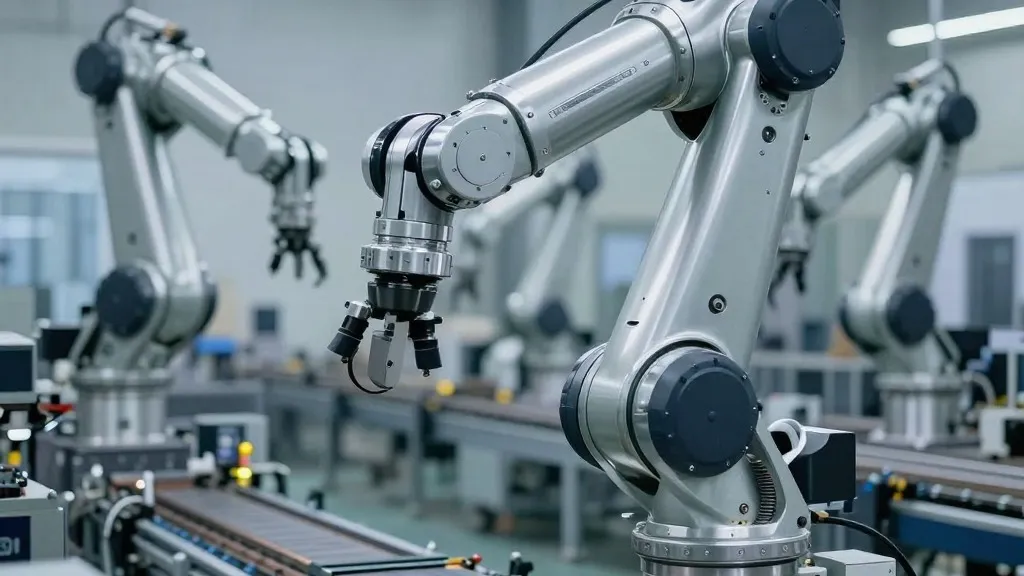
The mechanical design of the robot’s hand remains the most significant hardware challenge. A Tesla Optimus engineer noted during the call that the hand and custom gears are the most difficult components to perfect. Musk agreed, explaining that fingers must be soft enough to handle delicate objects yet durable enough to withstand constant wear. Unlike human skin, robot hands cannot heal, making the balance between sensitivity and longevity a persistent engineering obstacle for the company.
On the software side, Tesla is addressing data collection gaps by planning to build between 10,000 and 20,000 robots. These units will practice various tasks in a facility dubbed the Optimus Academy, allowing the AI to learn from a fleet of robots rather than relying solely on data from its automotive network. The company also plans to integrate its AI5 chip into Optimus around April 2027. Musk promised a video within one to two months showing the robot performing unscripted tasks, a move intended to demonstrate progress beyond pre programmed routines.
Contextualizing this timeline reveals a pattern of shifting expectations. In 2024, Musk suggested high volume external production could occur in 2026. By January 2025, he projected 10,000 robots would be built that year, with several thousand doing useful work by the end of the year. That target was later admitted to have been missed. The company’s recent shareholder letter describes the current Fremont output as the first production quality bots, implying that earlier units did not meet that standard.
Competitors are making parallel advances that challenge Musk’s claim that no one is close to Tesla. XPeng activated an automated IRON production line in Guangzhou in September 2026, with plans for mass production by the end of the year and deliveries in the first half of 2027. Boston Dynamics, meanwhile, has begun producing its electric Atlas robot and has committed all 2026 deployments, including to Google DeepMind. Hyundai plans to deploy 25,000 robots across its plants, and Boston Dynamics hired Tesla’s former head of Optimus in January, signaling a competitive landscape where multiple players are addressing similar mechanical and AI constraints.
The outlook for the humanoid robot sector remains cautious. While Tesla possesses the most extensive production infrastructure, it faces the same fundamental barriers as its rivals: creating hands that survive real work, ensuring robots are reliable enough to be cost effective, and developing AI that can generalize to new tasks. With competitors like XPeng and Boston Dynamics maintaining similar or slightly advanced timelines, the next few years will determine which company successfully transitions from building impressive prototypes to delivering useful, general purpose robots.
Source: Electrek